
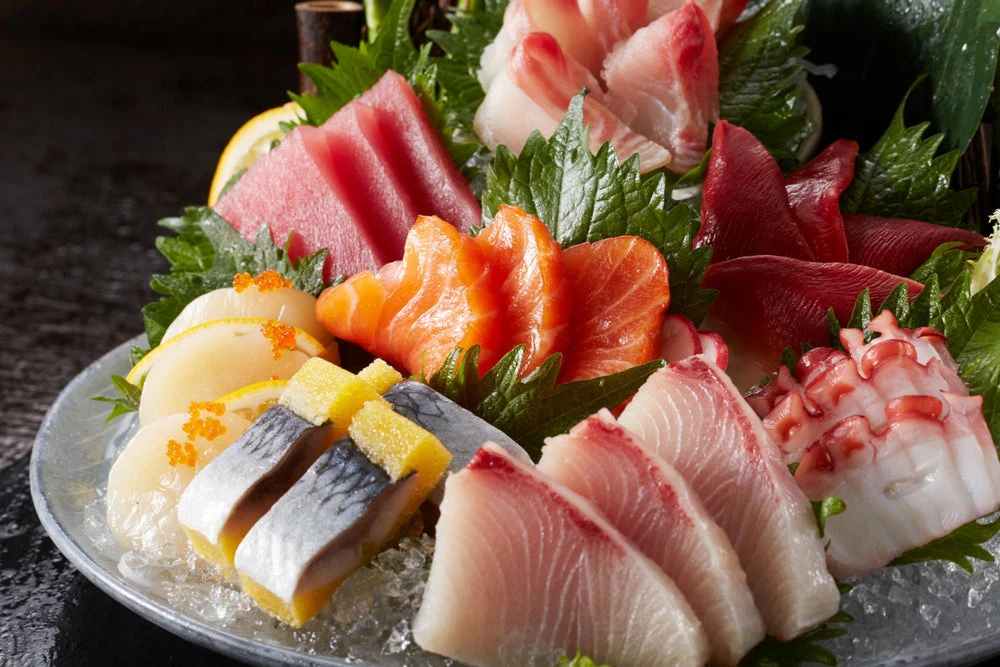
Japanese fish sashimi is more than just a dish; it is a culinary art form that highlights precision, freshness, and the natural flavors of high-quality seafood. Sashimi, which consists of thinly sliced raw fish or seafood served with minimal garnishes, has become an integral part of Japanese cuisine and is celebrated worldwide for its delicate taste and aesthetic presentation. For chefs and food enthusiasts alike, Japanese fish sashimi represents a perfect balance of technique, ingredient quality, and tradition.
The key to exceptional Japanese fish sashimi lies in the freshness of the seafood 日本魚生. Fish must be caught at the peak of quality and handled with care to maintain its natural flavor and texture. Popular varieties for sashimi include tuna (maguro), salmon (sake), yellowtail (hamachi), mackerel (saba), and sea bream (tai). Each fish has unique characteristics, requiring precise preparation to highlight its taste without overpowering its natural qualities.
Preparation of Japanese fish sashimi is a highly skilled process. Chefs must master the art of slicing fish into uniform, thin pieces that enhance both texture and presentation. Knife skills are critical, as improper cutting can affect the flavor and mouthfeel of the sashimi. Traditional techniques, passed down through generations, emphasize the importance of timing, temperature, and handling to ensure that the fish remains pristine from preparation to plating.
Japanese fish sashimi is often served with accompaniments that enhance its flavor without overshadowing it. Soy sauce, wasabi, and freshly grated ginger are standard pairings, providing a balance of umami, heat, and freshness. Garnishes such as shiso leaves, daikon radish, and edible flowers are carefully chosen to complement the fish visually and flavor-wise, turning each sashimi plate into a work of art.
Sashimi is deeply connected to Japanese culture, reflecting the country’s reverence for seasonality and natural ingredients. Certain types of fish are preferred during specific seasons to maximize freshness and flavor. This seasonal approach not only maintains quality but also connects diners to the natural rhythm of Japan’s fisheries. Chefs and seafood suppliers collaborate closely to ensure that only the freshest seasonal fish reaches the sashimi counter.
In addition to traditional raw fish, Japanese fish sashimi also includes specialty seafood such as sea urchin (uni), octopus (tako), squid (ika), and scallops (hotate). These ingredients require careful handling and preparation techniques that preserve their delicate flavors. The diversity of sashimi options allows diners to explore a wide range of textures and tastes, making it an essential part of Japanese dining experiences.
Japanese fish sashimi has also gained international acclaim due to its health benefits. Being low in fat and high in protein, it is a nutritious option for those seeking a balanced diet. The omega-3 fatty acids found in fatty fish such as salmon and mackerel contribute to heart health, while the minimal processing preserves the natural nutrients in the seafood.
Serving sashimi requires attention to hygiene and safety, as raw seafood carries potential risks if not properly handled. Reputable chefs and restaurants follow strict procedures to ensure that fish is stored at the correct temperature, cleaned thoroughly, and sourced from reliable suppliers. This focus on food safety is essential for maintaining consumer trust and upholding the reputation of Japanese fish sashimi globally.
Japanese fish sashimi is also central to high-end dining experiences, particularly in omakase restaurants where chefs select seasonal fish to create a curated tasting menu. The presentation, timing, and selection of each sashimi piece reflect the chef’s skill, knowledge of seafood, and understanding of flavor balance. Dining on sashimi in such settings becomes an immersive experience, combining taste, visual artistry, and cultural appreciation.
Beyond traditional restaurants, Japanese fish sashimi has become popular in home dining and casual eateries. Pre-packaged sashimi-grade fish, delivered directly from suppliers, allows consumers to enjoy authentic flavors at home. However, it requires careful handling and proper refrigeration to maintain the same quality and freshness expected in professional settings.
Globalization has further increased the reach of Japanese fish sashimi, with restaurants and suppliers around the world offering fresh imports. Many high-end establishments source fish directly from Japan or specialized fisheries to ensure authenticity and superior quality. This direct sourcing guarantees that diners experience the true essence of Japanese fish sashimi, regardless of location.
The artistry of Japanese fish sashimi also extends to the aesthetic arrangement of each plate. Chefs consider color, shape, and symmetry when presenting sashimi, transforming each serving into a visual masterpiece. This attention to detail enhances the dining experience and reflects the broader Japanese culinary philosophy that values beauty and harmony alongside taste.
In recent years, sustainability has become a significant consideration in sourcing seafood for sashimi. Responsible fisheries, seasonal catches, and traceable supply chains are increasingly prioritized by chefs and restaurants. Consumers are becoming more conscious of the environmental impact of their food choices, and sustainable sourcing ensures that Japanese fish sashimi can be enjoyed for generations to come without depleting natural fish populations.
Japanese fish sashimi is not only a culinary delight but also an educational experience for diners. Many restaurants educate customers about the types of fish, their origins, and proper tasting techniques. Understanding the nuances of each fish enhances appreciation for sashimi and encourages a deeper connection with Japanese culinary traditions.
Innovation in sashimi preparation has also emerged alongside tradition. Chefs experiment with flavors, textures, and presentation methods, combining traditional techniques with modern culinary creativity. This innovation ensures that Japanese fish sashimi remains dynamic and appealing to both long-time enthusiasts and new diners discovering the cuisine for the first time.
In conclusion, Japanese fish sashimi represents the pinnacle of freshness, technique, and cultural expression in Japanese cuisine. Its emphasis on high-quality ingredients, precise preparation, and aesthetic presentation has earned global recognition and made it a central component of Japanese dining both domestically and internationally. Whether enjoyed in a fine dining omakase setting, a casual sushi bar, or at home with carefully sourced ingredients, Japanese fish sashimi continues to celebrate the artistry of seafood and the enduring legacy of Japan’s culinary excellence.