
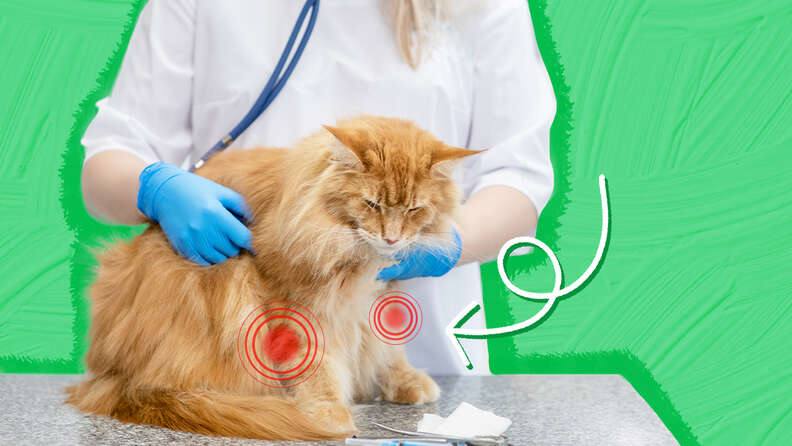
Cat joint health plays a crucial role in the comfort, agility, and overall wellbeing of feline companions. Cats are naturally active animals that rely on flexible joints and strong mobility for jumping, climbing, and exploring their surroundings. When a cat’s joints function smoothly, daily activities such as running across the room or leaping onto a favorite window perch happen effortlessly. Maintaining healthy joints is therefore essential for preserving a cat’s natural lifestyle and ensuring that it continues to enjoy an active and fulfilling life.
Joints act as the connecting points between bones, allowing movement and flexibility throughout the body. In cats, these joints are supported by cartilage, ligaments, and synovial fluid, all of which work together to create smooth and comfortable motion 貓關節保健. When these components remain healthy, the joint can absorb impact and move freely without pain or stiffness. Cat joint health becomes especially important as cats age because natural wear and tear may gradually affect the cartilage and surrounding tissues.
Many cat owners do not initially notice changes in joint comfort because cats are skilled at hiding discomfort. Subtle signs may appear long before obvious mobility problems develop. A cat may become less interested in jumping onto high surfaces, or it might take longer to stand up after resting. Some cats also become less playful or avoid activities they once enjoyed. Paying attention to these small behavioral shifts can help owners recognize early indicators related to cat joint health and take steps to support their pet’s comfort.
Nutrition plays an important role in maintaining strong and flexible joints. A balanced diet that includes essential nutrients helps support cartilage health and overall joint function. High-quality proteins contribute to muscle strength, which in turn helps stabilize joints during movement. Healthy fats and certain vitamins also assist in maintaining the tissues that surround and protect the joints. When cats receive proper nutrition, their bodies are better equipped to maintain the structures that keep joints moving smoothly.
Weight management is another key factor influencing cat joint health. Excess body weight places additional pressure on the joints, particularly in areas such as the hips, knees, and spine. Over time, this added stress can lead to discomfort and reduced mobility. Keeping a cat at a healthy weight helps minimize unnecessary strain and supports easier movement throughout its life. Regular feeding routines and portion control are simple yet effective strategies that help maintain a balanced body condition.
Physical activity also contributes significantly to healthy joints. Cats benefit from daily movement that keeps their muscles engaged and their joints flexible. Interactive toys, climbing structures, and short play sessions encourage natural behaviors like chasing and jumping. These activities stimulate both the body and the mind, promoting circulation and muscle tone. When muscles remain strong, they help support the joints and reduce the likelihood of stiffness.
Environmental design can also support cat joint health. Creating an accessible living space allows cats to move comfortably even as they grow older. Providing ramps, soft bedding, and lower platforms for resting can reduce the need for high jumps that may strain the joints. Thoughtful adjustments around the home can make a noticeable difference in maintaining mobility and preventing unnecessary pressure on sensitive areas of the body.
Natural supplements have become increasingly popular among pet owners who want to support cat joint health. Ingredients such as glucosamine, chondroitin, and omega-rich oils are commonly included in joint support formulas designed for pets. These compounds are often associated with maintaining cartilage strength and promoting flexibility within the joint structure. While supplements should never replace veterinary advice, they may serve as a helpful addition to a comprehensive wellness plan.
Hydration is another often overlooked aspect of joint care. Water supports the body’s ability to maintain healthy tissues, including those found in joints. Proper hydration helps maintain the fluid balance within the body, which can influence the lubrication of joints. Encouraging cats to drink enough water through fresh bowls, water fountains, or moisture-rich foods can contribute to overall physical wellbeing.
Regular veterinary visits are essential for monitoring cat joint health throughout a cat’s life. Veterinarians can evaluate mobility, examine joint function, and identify early signs of stiffness or inflammation. Early detection allows for timely adjustments in diet, lifestyle, or treatment strategies. Professional guidance ensures that any concerns related to joint health are addressed before they progress into more serious conditions.
Age is one of the most significant factors affecting cat joint health. As cats grow older, the natural aging process may cause gradual changes in cartilage and connective tissues. Senior cats may move more slowly or become less interested in physically demanding activities. While these changes can be normal, supportive care can help older cats remain comfortable and mobile. Providing softer resting areas, gentle exercise opportunities, and balanced nutrition can make a meaningful difference in their quality of life.
Mental wellbeing is closely connected to physical comfort. When cats experience freedom of movement, they are more likely to remain curious and engaged with their environment. Healthy joints allow cats to continue performing natural behaviors that stimulate their minds and keep them emotionally satisfied. Protecting cat joint health therefore contributes not only to physical mobility but also to a cat’s overall happiness.
Preventive care remains one of the most effective strategies for preserving cat joint health. Rather than waiting for signs of discomfort to appear, proactive measures such as balanced nutrition, regular activity, and routine health evaluations can support the joints from an early age. This long-term approach helps maintain strength and flexibility while reducing the likelihood of mobility challenges later in life.
The relationship between cats and their owners often grows stronger through attentive care and observation. By understanding the importance of joint health, pet owners can make thoughtful choices that enhance their cat’s daily comfort. Small actions, such as providing enriching playtime or maintaining a healthy diet, contribute to the overall stability and function of feline joints.
Ultimately, cat joint health is about preserving the graceful movement that defines feline life. Cats are known for their agility, balance, and ability to leap with remarkable precision. Protecting the structures that support these abilities allows them to continue exploring their environment with confidence. Through proper nutrition, active lifestyles, and attentive care, cat owners can help ensure that their companions maintain strong and flexible joints throughout every stage of life.